The Ever-Given
by Diana Whitney
When I think of my depression
it’s not a wraith or a demon
but the huge container ship
stuck in the Suez Canal, lodged sideways
for days, blocking the world’s commerce,
that massive steel hull wedged
into mud and silt, two hundred
thousand tons of grief, fear, shame
looming like a cliff above a tiny backhoe,
the yellow ant of my effort
scrabbling to dig and dig,
one spoonful of sand at a time.
It was the moon I tell you,
not the tugboats or earthmovers.
The full moon brought the spring tides
that lifted the ship, shifted her prow,
opened the waterways.
I’m not saying the answer is to wait
for the waxing, but what if
we had faith in gravitational pull,
what if we knew
release was always available,
what if we didn’t
have to work so hard?

Read Diana Whitney’s anthology You Don’t Have to Be Everything: Poems for Girls Becoming Themselves.
Our culture, and the people in our lives who don’t always understand depression, can often imply that it is a made-up or fleeting thing—“a wraith or a demon.” Yet Diana Whitney’s moving and precise poem tells the truth about the psychological and emotional weight of something that bears down on us like a “huge container ship,” blocking all movement. We work so hard to inch beyond it, like the “yellow ant” of that tiny backhoe, trying to dig ourselves out slowly, “one spoonful of sand at a time.” The poem takes a surprising turn, though, when the speaker says, “It was the moon I tell you,” by which she means, it was “the spring tides/that lifted the ship, shifted her prow,//opened the waterways.” For all the human effort put into freeing the container ship known as The Ever-Given, it took a natural force larger than us to make the necessary shifts, to clear that space. It’s also essential that the speaker points out: “I’m not saying the answer is to wait”; part of the work, after all, of moving through a difficult time in our lives is taking the small actions to find that sense of release that is “always available,” if not always accessible. Whitney suggests that, while healing does take slow and methodical work, a sudden release can happen in the most surprising of ways, often outside of our control.
Invitation for Writing & Reflection: Think back to a time when you felt the weight of anxiety or depression bearing down on you. Stay with the sensations, and see what images come to capture the difficult emotions, then describe how you moved through it.

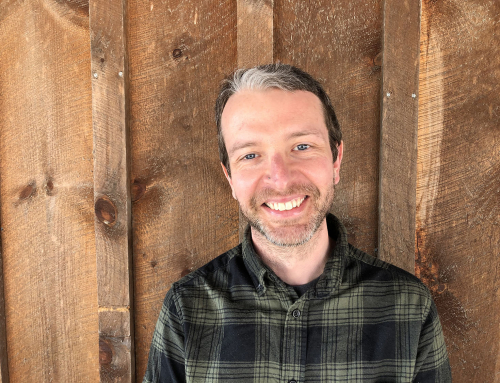
Photo by Jeff Woodward
ABOUT THE POET: Diana Whitney
Diana Whitney writes across the genres in Vermont with a focus on feminism, motherhood, and sexuality. Her first book, Wanting It, became an indie bestseller and won the Rubery Book Award in poetry. She was the longtime poetry critic for the San Francisco Chronicle, where she featured women poets and LGBTQ+ voices in her column. Her essays, op-eds, and book reviews have appeared in The New York Times, The Washington Post, The Kenyon Review, Glamour, and many more. Her anthology, You Don’t Have to Be Everything: Poems for Girls Becoming Themselves, was released by Workman Publishing to critical acclaim and became a YA bestseller. Learn more at and photo from diana-whitney.com
POETRY SELECTION AND COMMENTARY BY JAMES CREWS
James Crews is the author of four collections of poetry: The Book of What Stays, Telling My Father, Bluebird, and Every Waking Moment. He is also the editor of two anthologies: Healing the Divide: Poems of Kindness and Connection and How to Love the World: Poems of Gratitude and Hope. His poems have appeared in Ploughshares, The New Republic, The New York Times Magazine, The Sun, and have been reprinted in Ted Kooser’s American Life in Poetry and featured on Tracy K. Smith’s podcast, The Slowdown. James teaches at SUNY-Albany and lives with his husband in Vermont.
Thanks to hundreds of readers who have given donations big and small, Gwarlingo remains ad-free. Donors who give $50 become members. If you love Gwarlingo, please consider giving back.