I am thinking of the rain in New York
the driving rain over the Metropolitan Museum
and the Guggenheim and the small delicatessen
down in the Village that sells flanken
I am thinking of the rain making rivers by the curb
near Ohrbach’s and Penn Station
the shop selling pita sandwiches
the grease and char of lamb
rotating slowly in the raining day
I am thinking of the fruit stands now
the five hundred fruit stands all over New York
I’m thinking mostly of the dark celery leaves
above the green stalks and the bright skins of oranges
I am thinking of Macy’s meat department
And the Nebraska cows
Of the hundred year old air in Macy’s
And the green cashmere sweaters on top of the glass counter
I am remembering the way pizza smells in the streets calling
hunger out of ourselves
I am thinking now of the Hudson River and the rain meeting it
The mist already rising over the George Washington Bridge
And the trees growing wildly on the other shore
When I’m caught in worry or fear, or stuck in a piece of writing, I find it useful to do what I call an “environmental scan,” opening up my senses to all the stimuli in the world around me. Daily life, if we’re attentive to it, presents us with an endless supply of things to describe—which helps lift us out of our thinking mind. It’s amazing that we can create a singular place on the page—a whole world—as Natalie Goldberg does so well in the wide-ranging and open-armed “Home.” She uses the repeated phrases, “I’m thinking” or “I’m remembering,” to write what is, at heart, a list poem, yet notice how she juxtaposes the names of places most of us know—the Metropolitan, the Guggenheim, and Penn Station—with the specifics around each locale: “the grease and char of lamb/rotating slowly in the raining day,” or “the dark celery leaves/above the green stalks and the bright skins of oranges.” Goldberg also reminds us that what she describes need not be stereotypically beautiful, like the “pizza smells in the streets calling hunger out of ourselves.” Perhaps the hunger for a particular home drives the momentum of this poem from the beginning, showing us how each place we’ve inhabited, no matter how long ago, can still live so vividly and viscerally inside of us.
Invitation for Writing & Reflection: Think of a particular place, whether past or present, and describe some of the sensory impressions that defined it as “home” for you. If you have trouble getting started, you might use Goldberg’s phrases “I’m thinking” and “I’m remembering” to bring you back into the present moment of that place.

ABOUT THE POET: Natalie Goldberg
Natalie Goldberg is the author of fifteen books, including Writing Down the Bones, which has sold over one million copies, has been translated into fourteen languages, and started a revolution in the way we practice writing in this country. She recently co-edited a collection of talks by revered zen teacher Katherine Thanas, The Truth of This Life. In her latest memoir Let the Whole Thundering World Come Home, she shares her experience with cancer grounded in her practice of zen and writing. Her other books include The Great Spring: Writing, Zen, and This Zigzag Life, the novel Banana Rose, and the beloved Long Quiet Highway: Waking Up in America, a memoir about her zen teacher Katagiri Roshi. She lives in Northern New Mexico.
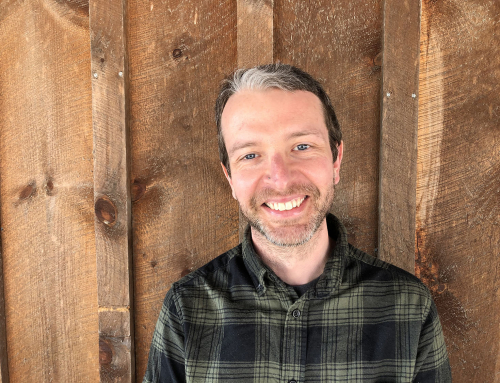
POETRY SELECTION AND COMMENTARY BY JAMES CREWS
James Crews is the author of four collections of poetry: The Book of What Stays, Telling My Father, Bluebird, and Every Waking Moment. He is also the editor of two anthologies: Healing the Divide: Poems of Kindness and Connection and How to Love the World: Poems of Gratitude and Hope. His poems have appeared in Ploughshares, The New Republic, The New York Times Magazine, The Sun, and have been reprinted in Ted Kooser’s American Life in Poetry and featured on Tracy K. Smith’s podcast, The Slowdown. James teaches at SUNY-Albany and lives with his husband in Vermont.
FURTHER EXPLORATION
Thank you for reading. Please enjoy these works by Natalie Goldberg. A portion of all online purchases through the links below goes to support Gwarlingo. You can also look for them at your local bookstore.


Thanks to hundreds of readers who have given donations big and small, Gwarlingo remains ad-free. Donors who give $50 become members. If you love Gwarlingo, please consider giving back.