The Honeybee
by Jacqueline Jules
I almost reacted. Almost
questioned how he could dare
complain about more pots to wash
when I cooked all afternoon.
Then I remembered the honeybee,
how it dies a gruesome death
when its stinger embeds
in human skin. The bee tears
a hole in its belly pulling out
the sac of venom.
A honeybee values peace.
It only stings when threatened,
not over something as petty
as who cooked and who cleaned up.
And certainly not when it could rest,
like I am right now, with feet up
on the couch, while my honey
loads the dishwasher
and scrubs every pot.
Originally published in One Art.
Edited by Mark Danowsky.

Read poems by Jacqueline Jules in Manna in the Morning, available for purchase online.
Life presents us with so many moments when we can choose to react or not, turn one way, or go in another direction. Do we choose peace, or move into reactivity? In this poem, the speaker narrowly avoids a fight with her husband over his idle complaint about having to wash so many pots after his wife cooked all afternoon. How many times have each of us felt threatened like this, angered by some small, off-hand comment a loved one made, perhaps not intending to harm us? Yet, in order to bring herself back from the brink, she remembers the honeybee, “how it dies a gruesome death/when its stinger embeds/in human skin.” As the speaker points out, “A honeybee values peace” above all things because it can literally mean life and death for that tiny creature. We forget that true peace begins at home, in our individual lives, and even if we can’t prevent the larger wars and battles for justice that must rage in the outside world, we can do everything in our power to take care of our own corner of the planet, refusing to engage in a fight over such slight concerns. Our kind and careful intentions can’t help but ripple out into the larger world, whenever we do what we can to keep the peace we know can be so easily shattered between us.
Invitation for Writing & Reflection: Reflect back on a moment when you could have chosen to react with anger, but instead decided to practice peace. How did it feel to exist in that sliver of an instant, choosing peace instead of violence? You might begin, as Jacqueline Jules does here, by saying what you “almost” did.
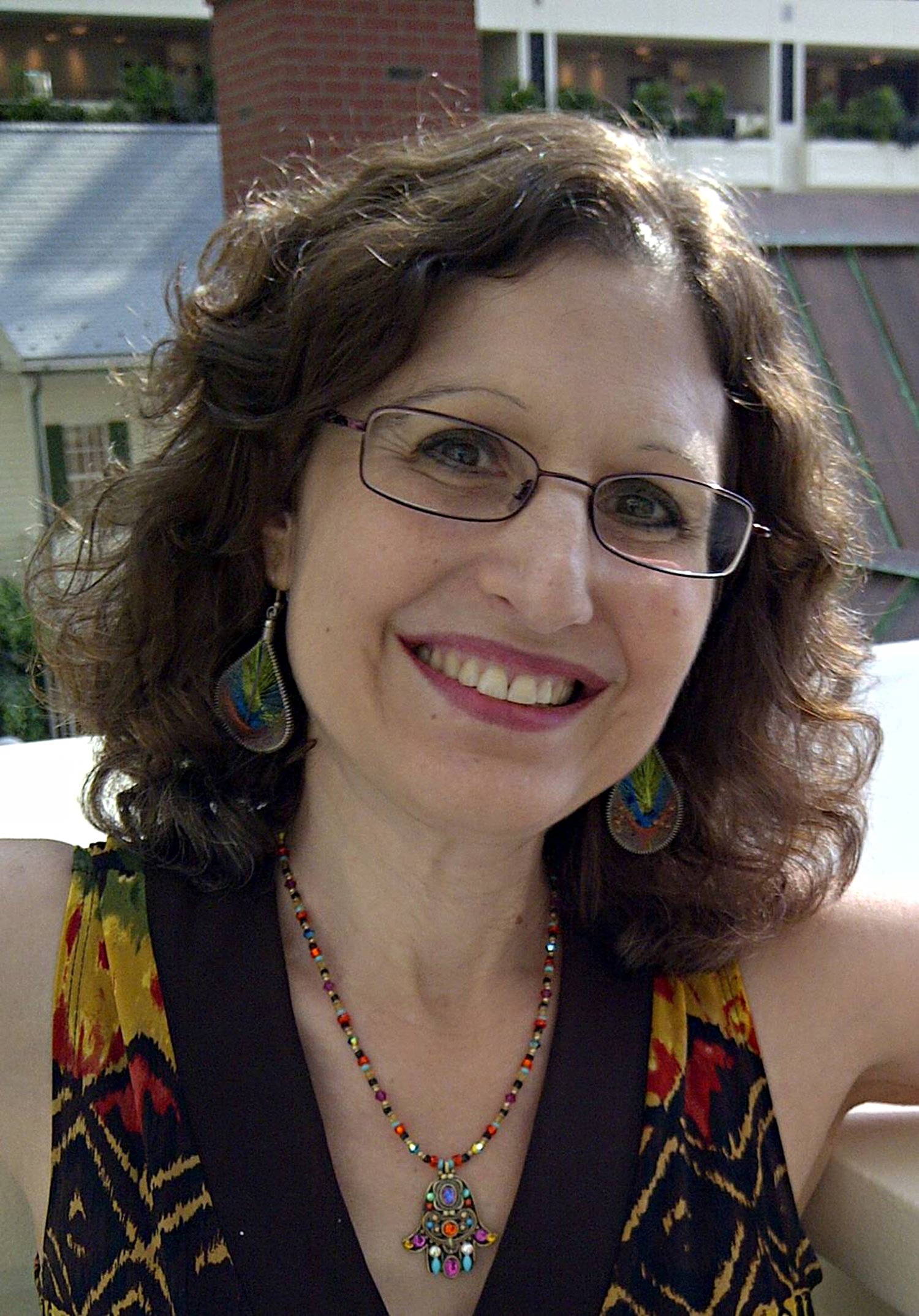
ABOUT THE POET: Jacqueline Jules
Jacqueline Jules is the author of Manna in the Morning (Kelsay Books, 2021) and Itzhak Perlman’s Broken String, winner of the 2016 Helen Kay Chapbook Prize from Evening Street Press. Her poetry has appeared in over 100 publications including K’in, The Sunlight Press, Gyroscope Review, and One Art. Visit www.jacquelinejules.com
POETRY SELECTION AND COMMENTARY BY JAMES CREWS
James Crews is the author of four collections of poetry: The Book of What Stays, Telling My Father, Bluebird, and Every Waking Moment. He is also the editor of two anthologies: Healing the Divide: Poems of Kindness and Connection and How to Love the World: Poems of Gratitude and Hope. His poems have appeared in Ploughshares, The New Republic, The New York Times Magazine, The Sun, and have been reprinted in Ted Kooser’s American Life in Poetry and featured on Tracy K. Smith’s podcast, The Slowdown. James teaches at SUNY-Albany and lives with his husband in Vermont.
Thanks to hundreds of readers who have given donations big and small, Gwarlingo remains ad-free. Donors who give $50 become members. If you love Gwarlingo, please consider giving back.